
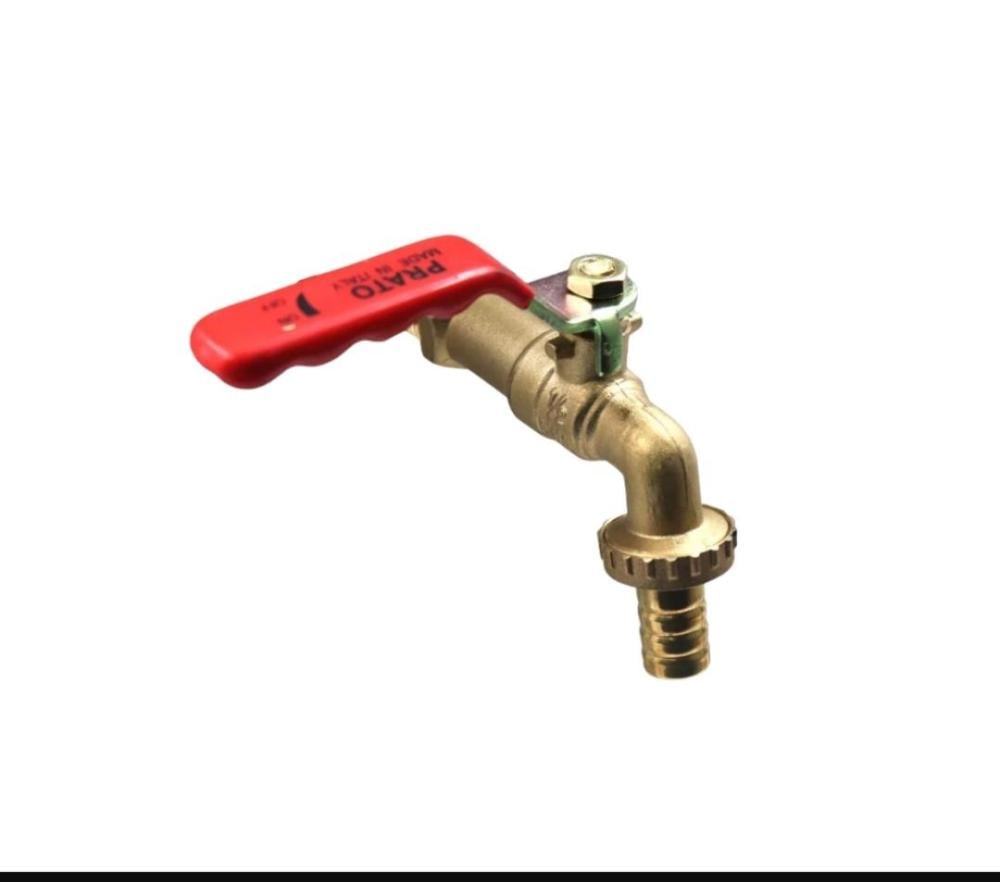
Modern plumbing is one of the most important stages when building or renovating a home, apartment, villa, or commercial property in Madinah. A properly planned water and drainage system can improve everyday usability, simplify future maintenance, and reduce the risk of leaks or costly modifications after finishing work is complete.
Modern plumbing is not simply about installing newer pipes. It involves planning water supply points, drainage locations, sanitary fixtures, mixers, water heaters, valves, and maintenance access before walls and floors are closed.
If you are planning a bathroom or kitchen project, you can browse Wasten's plumbing tools and supplies to understand the types of products commonly required during installation.
What Is Modern Plumbing?
Modern plumbing refers to the organized design and installation of water supply and drainage systems according to the actual requirements of a property.
A typical plumbing system may include:
- Cold-water supply lines
- Hot-water supply lines
- Drainage pipes
- Water valves
- Bathroom sink connections
- Shower connections
- Kitchen sink connections
- Water-heater connections
- Washing-machine points
- Floor drains
- Maintenance access points
Good planning starts before purchasing the final sanitary fixtures.
Why Plumbing Planning Should Come Before Finishing
One of the most common mistakes in bathroom and kitchen projects is completing the plumbing network before selecting the main fixtures.
For example, a washbasin may require a particular drain height, while a concealed shower mixer may need components installed inside the wall before tiles are fitted.
Changing these points after finishing can require unnecessary demolition and additional work.
For a broader overview of bathroom fixtures, read our Sanitary Ware in Saudi Arabia guide.
Bathroom Plumbing Planning
Bathrooms contain several water and drainage points within a relatively small area, so accurate planning is especially important.
Before installation, determine the locations of:
- Toilet
- Washbasin
- Bidet spray
- Shower
- Floor drain
- Water heater
- Hot and cold water valves
Once these locations are confirmed, the plumber can plan appropriate water and drainage routes.
Choosing the Bathroom Sink Location
The bathroom sink should be positioned where it can be used comfortably without obstructing doors, toilets, showers, or walking space.
Before installation, review:
- Sink width
- Sink depth
- Mounting height
- Installation type
- Cabinet dimensions
- Mixer position
- Drain location
You can compare different bathroom sink options before finalizing plumbing points.
Floor-Standing and Wall-Mounted Vanities
The type of vanity can affect both plumbing position and available floor space.
Wall-mounted units may require stronger wall fixing, while floor-standing units may need enough internal space around the drain and water connections.
If you are considering a floor-standing vanity, see our Floor-Standing Porcelain Bathroom Vanities Guide.
Selecting the vanity before final plumbing work can reduce the risk of pipes interfering with drawers or internal storage.
Choosing a Bathroom Mixer
The mixer should match the selected sink.
A mixer that is too tall for a shallow basin may cause water to splash outside the sink, while a short mixer may be uncomfortable with a large or deep basin.
Consider:
- Basin depth
- Mixer height
- Spout reach
- Mounting type
- Water pressure
- Hot and cold connections
It is better to confirm both the basin and mixer before final installation.
Planning the Shower Area
The shower area requires decisions before tiling begins.
Determine whether the shower mixer will be:
- Exposed
- Concealed inside the wall
A concealed system usually requires more preparation because some components must be installed before wall finishes are completed.
Also confirm:
- Hot and cold water locations
- Mixer height
- Shower-head location
- Hand-shower point
- Drain position
- Glass partition location
Exposed vs Concealed Shower Mixers
Both systems can work effectively when installed correctly.
Exposed Mixers
The main components remain visible and are generally easier to access during maintenance.
Concealed Mixers
Most working components are installed inside the wall, creating a cleaner appearance.
However, concealed systems should be planned early because modifying them after tiling can be more difficult.
Floor Drains and Bathroom Drainage
Drainage design is just as important as water supply.
Bathroom floors should have an appropriate slope toward the drain so water does not remain in unwanted areas.
When planning a floor drain, consider:
- Shower position
- Floor slope
- Cleaning access
- Drainage capacity
- Location relative to bathroom fixtures
Poor drainage planning can result in standing water or difficult maintenance.
Kitchen Plumbing Planning
Kitchen plumbing requires a different approach because it may need to serve several appliances and fixtures.
Plan the locations of:
- Kitchen sink
- Kitchen mixer
- Dishwasher
- Water filter
- Small water heater
- Washing machine, if installed in the kitchen
- Drainage lines
These positions should ideally be confirmed before kitchen cabinets are manufactured or installed.
Choosing a Kitchen Sink
The kitchen sink should be selected before the countertop is cut.
Important points include:
- Sink width
- Bowl depth
- Single or double bowl
- Top-mount installation
- Under-mount installation
- Drain location
- Cabinet width
Choosing the sink early helps coordinate the countertop, cabinet, mixer, and drainage connection.
Kitchen Mixer Compatibility
A kitchen mixer should suit the size and depth of the sink.
A higher spout may be useful for larger cookware, while a compact mixer may be better for smaller kitchens.
Check:
- Spout height
- Spout reach
- Rotation range
- Installation hole
- Water connections
The most suitable mixer depends on the sink and how the kitchen will be used.
Why Water Valves Matter
Water valves may be small components, but they become extremely important during maintenance or emergencies.
Well-positioned valves can allow water to be shut off in one area without stopping the supply to the entire property.
Valves should also remain accessible after construction is complete.
Avoid placing them behind permanent finishes or cabinets where they cannot be reached easily.
For valves and related components, browse plumbing tools and supplies.
Planning Hot-Water Lines
The location of the water heater affects the hot-water system.
Long distances between the heater and fixtures mean more water remains inside the pipes before hot water reaches the tap.
When planning the system, consider:
- Heater location
- Number of bathrooms
- Kitchen requirements
- Pipe routes
- Distance to fixtures
- Maintenance access
The heater should therefore be considered part of the plumbing plan rather than an afterthought.
Choosing Pipe Sizes
There is no single pipe size that is suitable for every property.
Pipe sizing depends on factors such as:
- Number of water outlets
- Building size
- Pipe lengths
- Water pressure
- Usage patterns
- Network design
For this reason, pipe sizes should be determined by a qualified plumber or specialist according to the requirements of the project.
Common Causes of Low Water Pressure
Low pressure can have several causes.
These may include:
- Water-supply limitations
- Valve restrictions
- Deposits inside pipes
- Leakage
- Pump problems
- Poor network design
Installing a larger pump is not always the correct solution.
The cause should be identified before deciding how to correct the problem.
Water Leaks
Leaks should be addressed as early as possible.
Potential sources include:
- Pipe connections
- Flexible hoses
- Valves
- Mixers
- Drainage points
- Waterproofing areas
Signs of a possible leak include:
- Damp walls
- Peeling or discolored paint
- Swollen finishes
- Water under cabinets
- Unexpectedly high water consumption
Early inspection can help limit damage.
Test the Plumbing Before Closing Walls
Plumbing should be appropriately tested before walls and floors are completely closed.
At this stage, pipes and fittings are easier to access if a problem is found.
Once tiles, ceilings, or other finishes are installed, repairs can become more difficult.
Testing requirements vary according to the system, so this work should be carried out by a qualified specialist.
Drain Blockages
Bathroom and kitchen drains can become blocked over time.
In bathrooms, common causes include:
- Hair
- Soap residue
- Dirt
In kitchens, blockages may be caused by:
- Grease
- Food residue
- Foreign materials
Avoid pouring cooking oil or grease directly into the sink.
Regular cleaning of accessible drains can also help reduce buildup.
Drain Odors
Persistent odors from drains should not simply be covered with air fresheners.
The smell may indicate an issue involving:
- Trap
- Drain
- Seal
- Ventilation
- Other drainage components
If the odor continues, the source should be inspected.
Choosing Sanitary Ware
Sanitary fixtures should be selected according to the available space and plumbing configuration.
Products that usually require early planning include:
- Bathroom sinks
- Toilets
- Bidet sprays
- Mixers
- Shower systems
- Floor drains
- Water heaters
You can browse Wasten's bathroom sink collection when comparing different layouts and installation requirements.
Plumbing for Small Bathrooms
Small bathrooms require careful use of space.
Wall-mounted or compact fixtures can sometimes provide more usable floor area.
However, a product should not be selected simply because it is marketed for a small bathroom.
Always check the actual dimensions and required installation clearance.
Plumbing for Villas and Larger Homes
Larger homes may include multiple bathrooms, kitchens, and laundry rooms across several floors.
Planning should therefore consider:
- Water pressure
- Valve distribution
- Hot-water supply
- Heater locations
- Network zoning
- Maintenance access
A well-organized network can make future repairs and maintenance easier.
Commercial Plumbing Projects
Commercial properties may experience heavier daily usage than residential bathrooms and kitchens.
For these projects, product selection should consider:
- Number of users
- Usage frequency
- Maintenance requirements
- Access for repairs
- Durability requirements
A fixture suitable for a lightly used residential bathroom may not necessarily be suitable for a high-traffic commercial facility.
Routine Plumbing Maintenance
Even a well-planned plumbing system should be monitored over time.
Pay attention to:
- Changes in water pressure
- Leaks around mixers
- Slow drainage
- Valve condition
- Unusual drain odors
- New noises from pipes
- Water-heater condition
Identifying small problems early may help prevent more extensive repairs.
Common Plumbing Installation Mistakes
Common mistakes include:
- Installing the network before selecting fixtures
- Failing to test the system before finishing
- Hiding valves in inaccessible locations
- Ignoring future maintenance access
- Selecting concealed fixtures too late
- Failing to coordinate heater locations
- Incorrect drainage positions
- Choosing products based only on appearance
Careful planning can prevent many of these issues.
What to Check Before Buying Plumbing Supplies
Before purchasing materials, prepare a list covering:
- Type of property
- Number of bathrooms
- Number of water points
- Required fixtures
- Product dimensions
- Drainage locations
- Hot and cold water points
- Mixer types
- Concealed components
- Water-heater locations
- Future maintenance requirements
This approach helps ensure that products are compatible with the planned installation.
Buying Plumbing Supplies in Madinah
When preparing a home or project in Madinah, it is better to define the main products and measurements before purchasing individual plumbing components.
Wasten provides sanitary ware and plumbing products that can be compared according to project requirements, dimensions, and intended use.
Explore our plumbing supplies and bathroom sinks when preparing your project.
Does Wasten Provide Plumbing Installation Services in Madinah?
Wasten specializes in sanitary ware, bathroom products, and plumbing supplies.
This article should not be understood as an offer by Wasten to perform plumbing installation or contracting work.
Installation, testing, and repairs should be handled by a qualified plumbing professional according to the requirements of the property.
Frequently Asked Questions About Modern Plumbing in Madinah
When should bathroom fixtures be selected?
It is preferable to determine the main fixtures, or at least their installation requirements, before completing the water and drainage network.
Should plumbing be tested before tiling?
Appropriate testing should be completed by a qualified professional before concealed pipes are covered.
What can cause low water pressure?
Possible causes include supply pressure, valves, deposits, leaks, pumps, or network design. The cause should be identified before choosing a solution.
Do concealed mixers require early planning?
Yes. Concealed systems include components inside the wall and therefore need to be planned before finishing work.
Can a bathroom sink be changed after finishing?
Often yes, provided the replacement is compatible with the available space and existing water and drainage points.
What should be planned first in a kitchen?
Confirm the locations of the sink, appliances, water connections, and drainage before finalizing cabinets and countertops.