
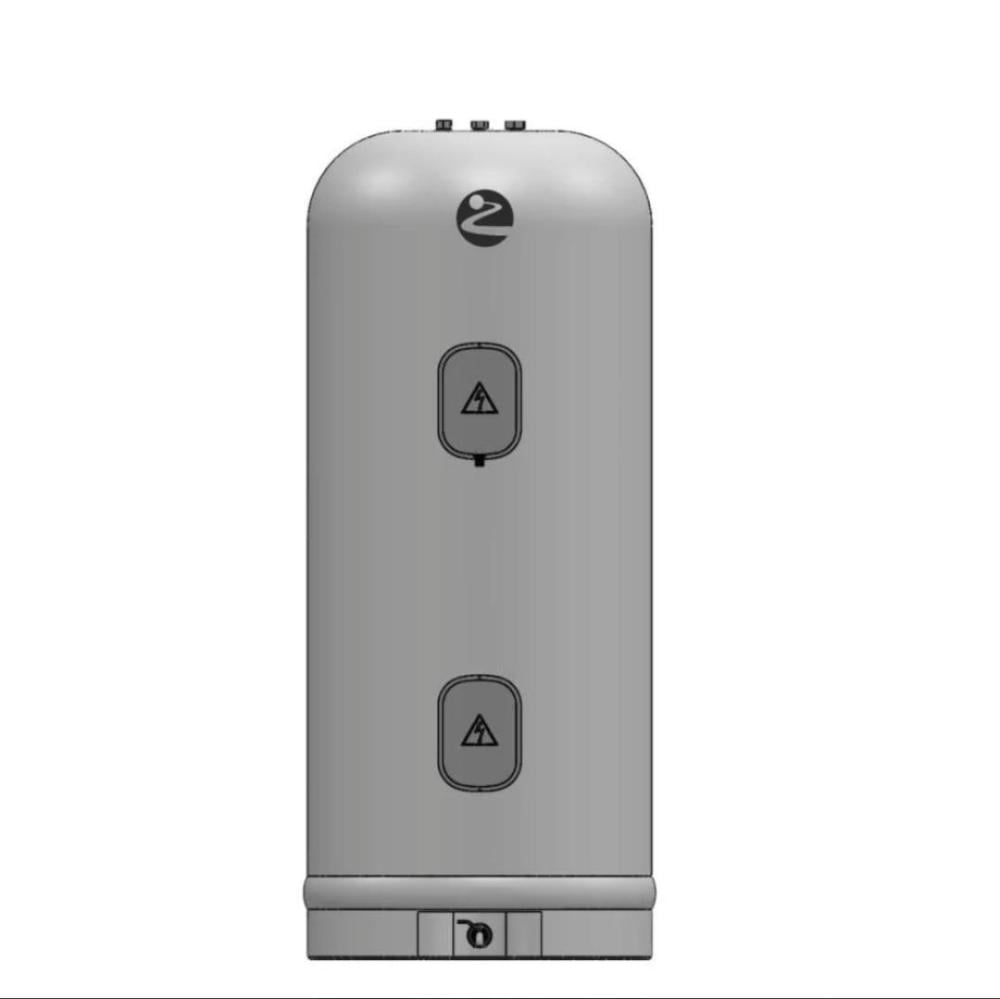
Choosing the right water heater in Makkah depends on more than simply selecting a tank size. The number of users, bathrooms, available installation space, hot-water demand, electrical requirements, energy efficiency, and plumbing layout all influence which system will work best.
Whether you are preparing a new home, renovating a bathroom, or replacing an existing heater, understanding the main types and specifications can help you make a more practical decision.
If you are planning a complete bathroom or plumbing project, start with our Sanitary Ware in Saudi Arabia Guide for an overview of the main fixtures and plumbing products used in homes and projects.
Why Choosing the Right Water Heater Matters
A water heater is used repeatedly throughout the day for activities such as:
- Showering
- Hand washing
- Kitchen use
- Cleaning
- Bathroom sinks
- Other hot-water requirements
Choosing a heater that is too small may result in insufficient hot water during periods of higher demand.
At the same time, choosing a unit much larger than necessary may increase installation requirements and energy use.
The correct choice should therefore be based on actual household requirements.
Main Types of Water Heaters
Several water-heating systems are commonly used in residential and commercial properties.
Storage Water Heaters
A storage water heater heats and stores a specific quantity of hot water inside an insulated tank.
These units are commonly available in different capacities and can be suitable for bathrooms, kitchens, apartments, and villas.
Advantages may include:
- Stored hot water ready for use
- Different capacity options
- Familiar installation configuration
- Suitable for many residential applications
The correct capacity depends on the expected usage and number of people using the heater.
Instant Water Heaters
Instant or tankless water heaters heat water when it flows through the unit rather than storing a large volume inside a tank.
They can reduce the space required for a storage tank, but electrical load, water flow, and installation requirements should be checked carefully before purchase.
An instant heater is not automatically the right choice for every property.
Central Water Heaters
Central systems can supply hot water to several bathrooms or outlets from one main system.
They may be suitable for:
- Large villas
- Multi-bathroom properties
- Hotels
- Commercial buildings
- Larger residential projects
The system should be sized according to the number of outlets and expected simultaneous hot-water demand.
How to Choose the Right Water-Heater Capacity
Capacity is one of the most important factors when selecting a storage heater.
Rather than choosing only according to the number printed on the tank, consider:
- Number of household members
- Number of bathrooms
- Shower frequency
- Kitchen hot-water use
- Whether several outlets may be used at the same time
- Recovery time of the heater
A smaller household may have different requirements from a villa where several bathrooms are used simultaneously.
For larger installations, it is better to calculate the expected demand before choosing the system.
Consider the Number of Bathrooms
A heater serving one small bathroom does not have the same requirements as a system supplying several bathrooms.
Before purchasing, identify:
- Which bathrooms require hot water
- Whether each bathroom has an independent heater
- Whether a central system will be used
- Distance between heater and fixtures
- Number of showers likely to be used at the same time
If you are also planning your bathroom layout, our Modern Plumbing Guide explains how water lines, drains, fixtures, and heater locations should be considered before finishing work.
Water Heater Location
The installation location affects accessibility and plumbing layout.
Consider:
- Available wall or service-space dimensions
- Access for future maintenance
- Distance to hot-water outlets
- Water connections
- Electrical supply
- Drainage or safety requirements
- Manufacturer installation instructions
A heater should not be installed in a location where maintenance becomes unnecessarily difficult.
Energy Efficiency
Energy efficiency should be part of the buying decision, especially because water heaters may operate regularly throughout the year.
When comparing models, review the applicable Saudi energy-efficiency label and product information rather than relying only on marketing claims.
Factors affecting energy consumption can include:
- Tank insulation
- Heater capacity
- Thermostat settings
- Usage frequency
- Hot-water demand
- Installation conditions
A larger heater is not necessarily more efficient simply because it provides more stored water.
Water Heater Safety
Safety is particularly important because a water heater combines water, heat, pressure, and — for electric models — electricity.
When selecting and installing a heater, consider:
- Approved product specifications
- Manufacturer instructions
- Proper electrical supply
- Correct water connections
- Pressure and safety components
- Earthing requirements
- Professional installation
Electrical and plumbing installation should be completed by appropriately qualified professionals.
Do not bypass safety components or modify the heater outside the manufacturer's instructions.
Storage Tank Quality
For storage heaters, the internal tank and insulation are important components.
When comparing products, review available specifications regarding:
- Tank construction
- Corrosion protection
- Insulation
- Heating element
- Thermostat
- Safety valve
- Warranty terms
Rather than assuming one material is always superior, compare the complete heater specification and intended application.
Choosing a Heater for a Bathroom
Bathroom water-heater selection should be coordinated with the shower and mixer system.
Before installation, check:
- Shower type
- Mixer configuration
- Expected water flow
- Hot-water pipe route
- Distance from the heater
- Number of users
A heater should be selected as part of the overall bathroom plumbing plan rather than as an isolated appliance.
For plumbing connections, valves, and related installation products, browse Wasten's plumbing tools and supplies.
Choosing a Heater for a Kitchen
Some properties require hot water at the kitchen sink in addition to the bathroom.
Before deciding whether the kitchen will use the same system or a separate heater, consider:
- Distance from the main water heater
- Kitchen usage
- Pipe length
- Available installation space
- Existing plumbing
Long pipe routes may affect how quickly hot water reaches the outlet.
Water Pressure and Flow
Water pressure and flow can influence the performance of showers, mixers, and certain heater types.
If hot-water performance is poor, the heater may not always be the cause.
Possible factors include:
- Low incoming pressure
- Restricted valves
- Pipe sizing
- Blocked fixtures
- Mixer problems
- Plumbing design
The system should be inspected before replacing a heater simply because the water flow appears weak.
Common Water Heater Problems
Water Is Not Heating Properly
Possible causes may include:
- Thermostat issues
- Heating-element problems
- Electrical supply issues
- Sediment buildup
- Incorrect heater capacity
A qualified technician should diagnose electrical or internal heater faults.
Hot Water Runs Out Quickly
This can happen when:
- The tank capacity is too small
- Hot-water demand is unusually high
- Several users operate outlets at the same time
- Heater recovery is slower than usage
Before replacing the heater, compare actual demand with the heater's capacity.
Water Leakage
A leak may originate from:
- Connections
- Valves
- Flexible hoses
- Tank components
- Nearby plumbing
The source should be identified promptly, especially if water is near electrical components.
Slow Heating
Slow heating can result from several factors, including heater design, capacity, electrical conditions, or internal faults.
Do not assume that increasing the thermostat setting is the correct solution.
Water Heater Maintenance
Regular inspection can help identify problems before they become more serious.
Maintenance may include checking:
- Visible water connections
- Signs of leakage
- Safety components
- Unusual noises
- Heating performance
- External corrosion
- Electrical connections by a qualified technician
Always follow the manufacturer's recommended maintenance procedure.
When Should a Water Heater Be Replaced?
Replacement may be considered when:
- The tank is leaking
- Repairs are becoming frequent
- Important components are unavailable
- Heating performance has significantly deteriorated
- The existing capacity no longer matches household requirements
Age alone should not be the only factor. The actual condition and repairability of the unit should also be considered.
Water Heaters for Villas
Villas often require more planning because they may contain:
- Multiple bathrooms
- Larger families
- Guest bathrooms
- Kitchens
- Laundry areas
- Several floors
Possible configurations include individual heaters for different areas or a central hot-water system.
The right option depends on the building layout and hot-water demand.
Water Heaters for Apartments
Apartments may have more limited installation space.
When selecting a heater, review:
- Available wall space
- Required tank capacity
- Electrical supply
- Plumbing route
- Maintenance access
Avoid choosing an oversized system that creates installation problems without providing a meaningful benefit.
Water Heaters for Hotels and Commercial Properties
Commercial applications usually require a different approach from a typical home.
Consider:
- Number of users
- Peak demand
- Simultaneous usage
- Recovery requirements
- Maintenance access
- Backup requirements
Commercial hot-water systems should be designed according to the actual project requirements.
Choosing Between Individual and Central Water Heating
Individual Heaters
Individual heaters can serve specific bathrooms or areas independently.
Potential benefits include:
- Separate control
- Shorter pipe routes in some properties
- Failure of one heater may not affect every bathroom
Central Systems
A central heater can serve multiple outlets.
Potential benefits include:
- One central heating system
- Suitable for larger demand
- Reduced number of individual tanks
However, system design, pipe routing, and maintenance requirements should be evaluated carefully.
What to Check Before Buying a Water Heater
Before ordering, confirm:
- Heater type
- Tank capacity
- Physical dimensions
- Installation orientation
- Electrical requirements
- Water pressure requirements
- Energy-efficiency information
- Safety features
- Warranty terms
- Maintenance requirements
- Availability of spare parts
- Installation location
These checks are more useful than selecting a heater simply because it is advertised as the "best" option.
Water Heaters and Bathroom Renovation
If the bathroom is being completely renovated, decide the heater location before finalizing:
- Wall finishes
- Ceiling work
- Water lines
- Electrical points
- Mixer location
- Shower configuration
For vanity and washbasin planning, see our Floor-Standing Porcelain Bathroom Vanities Guide.
Planning these elements together can reduce modifications after installation.
Buying Water Heaters in Makkah
When searching for water heaters in Makkah, compare products according to your actual property and usage rather than price alone.
Important criteria include:
- Required capacity
- Energy efficiency
- Safety
- Product specifications
- Installation compatibility
- Warranty
- Maintenance requirements
Wasten provides sanitary ware, plumbing supplies, and related home and project products for customers across Saudi Arabia.
Explore Wasten's plumbing tools and supplies when preparing the plumbing components required for your bathroom or hot-water installation.
Frequently Asked Questions About Water Heaters in Makkah
What size water heater should I buy?
There is no single correct capacity for every home. The right size depends on the number of users, bathrooms, usage pattern, and simultaneous hot-water demand.
Is an instant heater better than a storage heater?
Not necessarily. Each type has different electrical, flow, space, and usage requirements.
Should I choose a central water heater for a villa?
It can be suitable for some villas, particularly when several bathrooms require hot water, but the system should be designed according to actual demand and building layout.
How can I compare energy efficiency?
Check the applicable Saudi energy-efficiency label and the manufacturer's technical specifications.
Why does hot water finish quickly?
The heater may be undersized for current demand, or several hot-water outlets may be used within a short period.
Can I install an electric water heater myself?
Electrical and plumbing installation should be completed by qualified professionals in accordance with the product instructions and applicable requirements.